Table Of Content
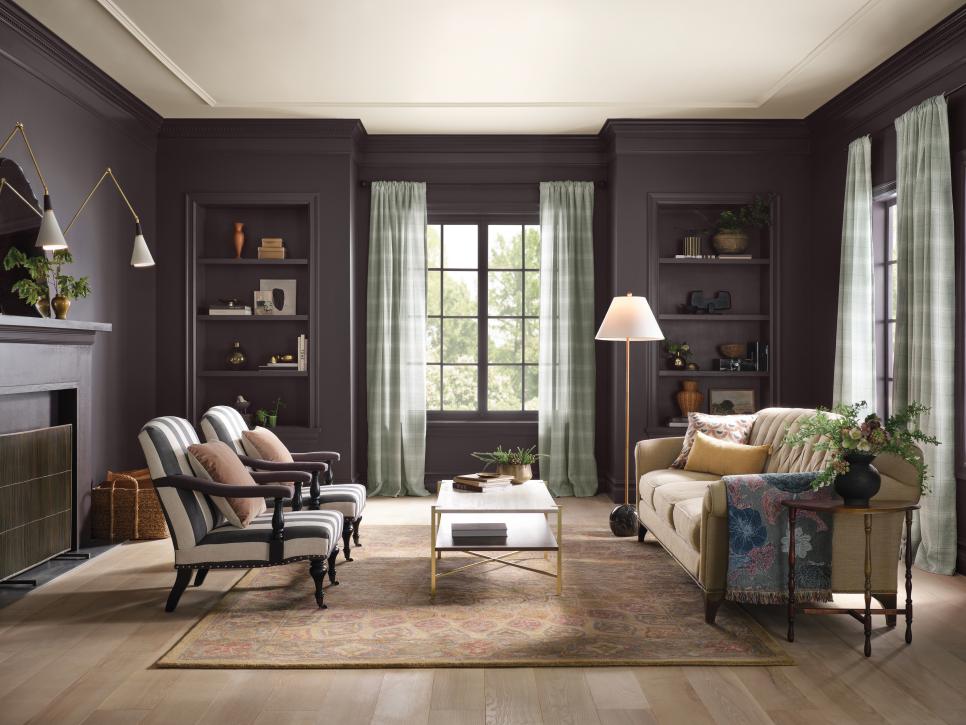
By maintaining an equal distance between the chosen colors, this scheme achieves balance and ensures that each shade contributes to the overall composition. Triadic color schemes are ideal for those who seek a bold, varied, and harmonious palette that brings energy and excitement to their home. Experience the energy of complementary color schemes, where opposing colors on the wheel come together to create a striking and vibrant contrast.
Using a Color Wheel
But a beautiful shade of gray, in combination with not very bright white color, can create a clean and refreshing appearance. If you have too many gray areas will become predominant and create a boring environment. If you see the color chart, usually the cool colors are on the blue and green colors side and the warm colors are on the yellow and orange side. Colors give us a certain state of mind, can energize us, can cheer us, can make us feel safe, calm, relax, can increase the ability to concentrate or remember us pleasant things. There are also colors that depress us, let us remember the sad things, to be tiring or become irritating after a while. We must take this into account when we choose our best mattress colors.
15 Farrow & Ball paint colors in real homes - Homes & Gardens
15 Farrow & Ball paint colors in real homes .
Posted: Sat, 20 Apr 2024 14:00:49 GMT [source]
Blue Makes Everything Better
Pair with a neutral—every palette, no matter how bold, needs one. If the starting-point color is heavy or muted, the neutral should be, too. The color evokes images of sipping on tropical drinks on the beach after all!
Let upholstery or wallpaper inspire the color palette
It's like orchestrating a colorful dance, with each hue taking its turn in the spotlight. Triadic color schemes offer a rich and diverse range of tones, creating a vibrant and visually engaging atmosphere in your space. Popular triadic combinations include primary colors like red, blue, and yellow or secondary colors like orange, green, and purple.
Although all colors of the spectrum essentially emerge into white, in interior design, White serves as a powerful color scheme. Red also inspires feelings of anger and revenge, which is why it is best to combine it with calming color tones such as white or beige to balance the human emotion. You can add higher nuances of red to stimulate productivity but make sure to compliment it equally. For bold nuances, you can choose a primary color, then complement it with the two immediate shades on either side. This dramatic effect can help you create a unique statement as a designer, especially when creating sectionals or focal points.
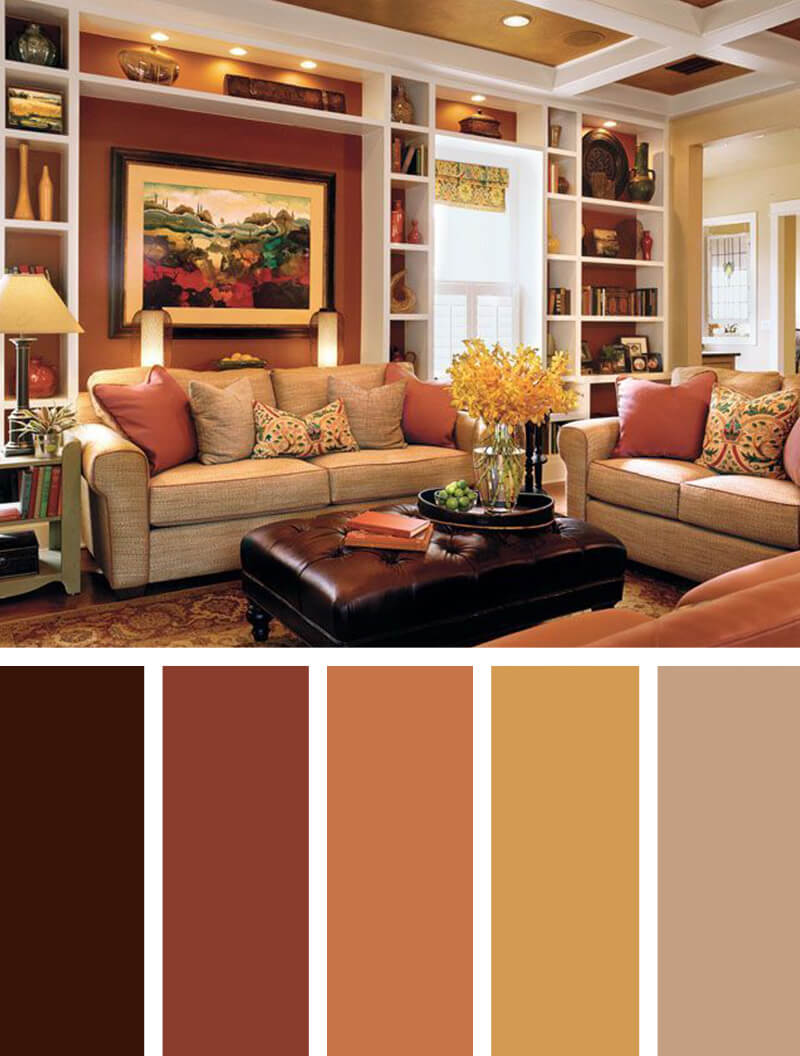
And finally, neutral tones like gray and white usually leave people feeling serene. If your style leans maximalist, Mazzarini says you want colors with high vibrations to them. “Look to the color wheel for inspiration and guidance," he says. "Think orange and pink, or blue and lavender. These are more than just complementary colors; they have an energizing effect beside one another.” Then, add an accent in a tertiary hue for pop. We asked interior designers to share their go-go color palettes; here’s their cheat sheet. Choosing a color scheme in an open floor plan where several rooms connect can be trickier.
Lori Loughlin's indoor-outdoor living room is a masterclass in a quiet luxury color scheme that is dominating in 2024 - Homes & Gardens
Lori Loughlin's indoor-outdoor living room is a masterclass in a quiet luxury color scheme that is dominating in 2024.
Posted: Tue, 23 Apr 2024 10:10:58 GMT [source]
Uncover 15 inspiring combinations that bring life, balance, and personality to your home. From vibrant palettes to calming hues, discover the perfect colors to transform your space into a haven of style. However, gray can be used as a neutralizer for vibrant color schemes. It is best to avoid using light gray colors on the walls, but you can use dark gray on one wall and surround it with happy colors such as white, yellow, or pink.
It's like a visual symphony, where each color plays a distinct role, enhancing the overall impact of your space. Complementary colors, such as red and green or blue and orange, intensify each other when paired, creating a dynamic and energetic atmosphere. This color strategy is perfect for those seeking bold and impactful designs, as it adds vibrancy and excitement to your interior. The interplay of opposing hues stimulates visual interest, making complementary color schemes a powerful choice for those who wish to infuse their space with energy and personality. "A color scheme of graduated blues and greens with neutral tones, natural woods, and black accents is my favorite combination," designer Julia Alexander of Julia Alexander Interiors says.
What is Color Psychology?
The color automatically uplifts people’s spirits making the room feel bright and sunny. With its natural hue and soft, reassuring essence, brown can work wonders in vast spaces to synchronize different elements of modernism and classic. While it’s natural to be excited to try all these color combinations and convert the space into a visual masterpiece, things can get messy and complicated if you get the colors wrong. Getting the client’s nod of approval on the swatches before putting any color on the walls is always better. One more modern practice is pairing a dark color with a pastel shade, e.g., the soft Pink Cup from Farrow & Ball and black.
There are tons of shades to sift through, and it can be tough to tell which one is right for you. Thankfully, interior designers have gone through this process time and time again. And they’ve emerged with a few favorite interior paint colors they can rely on any time they’re sprucing up a palette. Find balance and harmony in square color schemes, where four equally spaced colors on the wheel come together for a cohesive and pleasing aesthetic. It's like creating a visual square dance, where each color has its own role in the coordinated movement of design.
Find the perfect balance between contrast and cohesion with split-complementary color schemes, a variation of the complementary palette. It's like walking a tightrope of harmony, where a dominant color is complemented by two adjacent hues, creating a visually intriguing yet balanced space. This scheme retains the striking contrast found in complementary combinations but softens it by incorporating analogous tones. For example, if your dominant color is blue, the split-complementary scheme might introduce yellow and yellow-green as supporting shades.
Whether color-drenched or used as an accent in a neutral scheme, decorating with yellow is guaranteed to put a spring in your step. However, to balance the atmosphere, don’t opt for an all-black space. Instead, pair it with a light and softer color for a less overwhelming, far more pleasing ambiance. No other color can arouse quite such a spectrum of emotions as red. Plenty of positive qualities are attached to the color red, like willpower, ambition, and action.
Assess the spaces for both positive and negative attributes; write them down. “Inspired by historic French and English wallpapers, it’s a classic misty pale blue that doesn’t read baby blue or kids room right away,” she says. Give your interior an update that is filled with joy and optimism by decorating with orange.


No comments:
Post a Comment